

The Rice Initiative: From Imported Food to Local Harvest
For many years, our food security work relied on importing rice and distributing it to families in need. While this met an immediate necessity, it also revealed a deeper issue: communities were receiving food that, with the right systems and support, they were capable of producing themselves.
This year, we began shifting that model.
To strengthen long-term food security and reduce reliance on imported rice, Sustainable Gambia is working with a strategic agricultural partner to support local rice production within The Gambia. Rather than operating large-scale farms directly, we partner with established local producers who cultivate rice domestically. Through standard procurement arrangements, this locally grown rice is supplied to our food distribution programs ensuring transparency and compliance while progressively strengthening domestic supply chains.
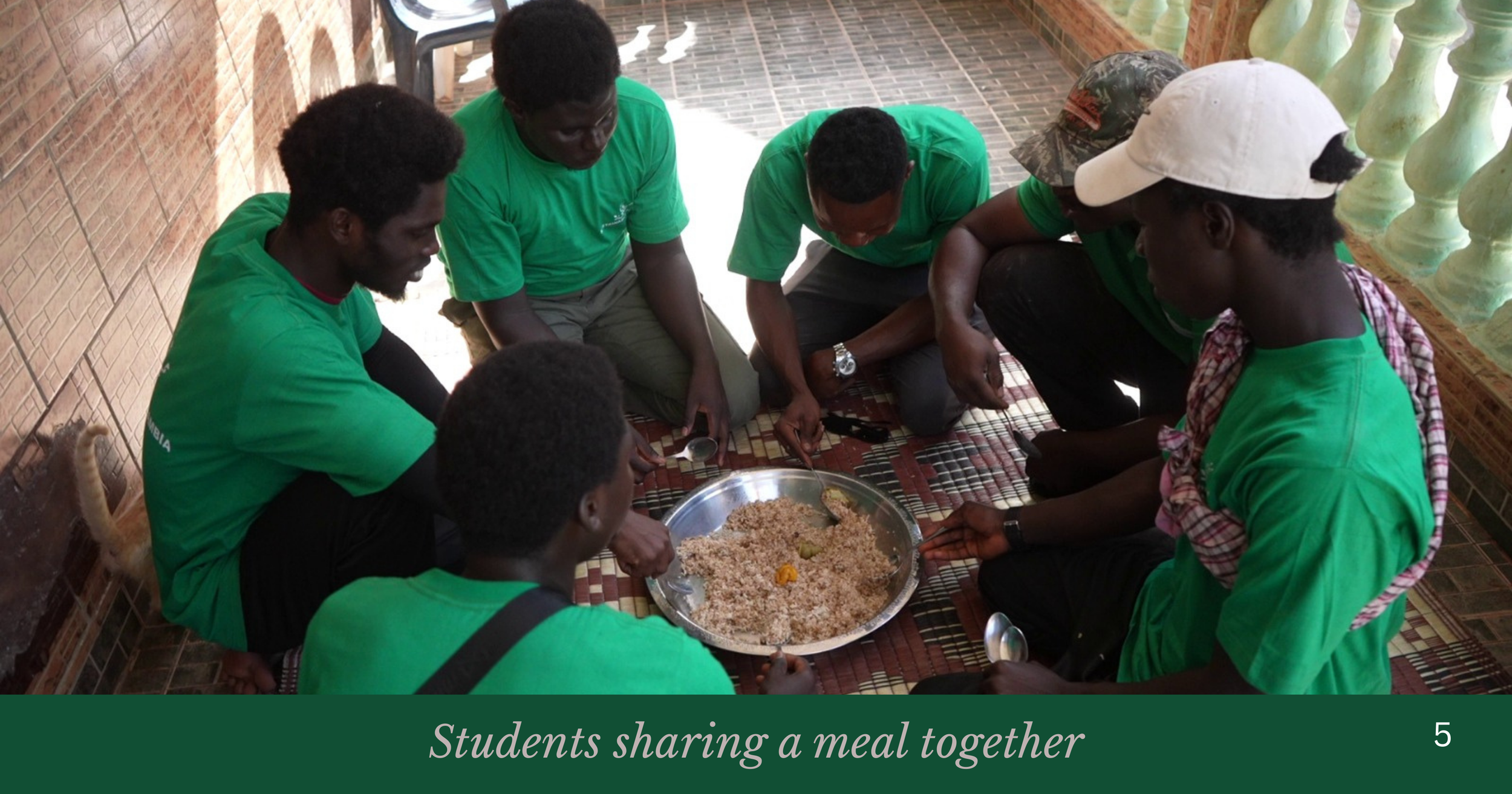
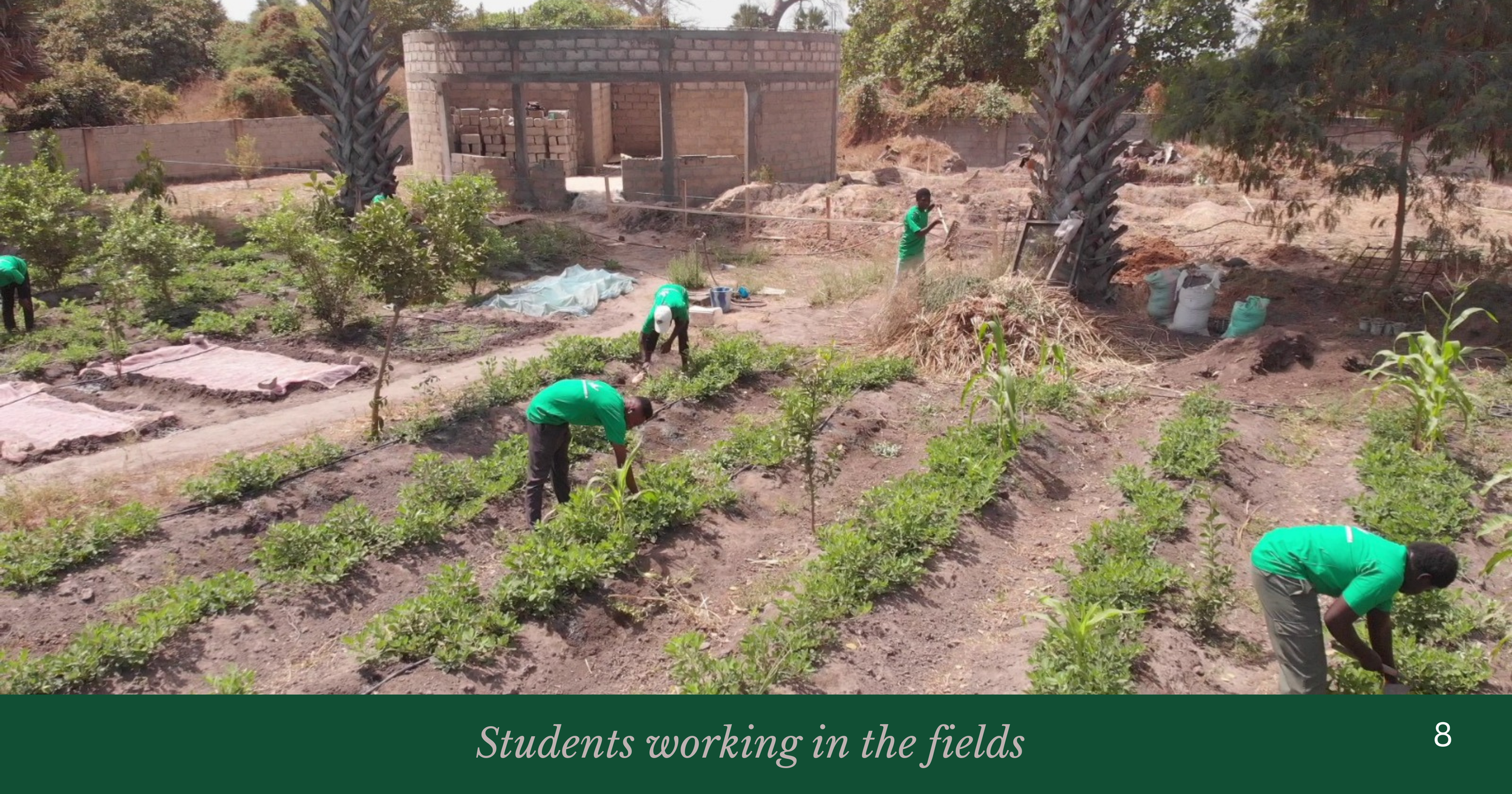
At the same time, students in our program engage in small-scale farming on land established specifically for them by Sustainable Gambia. These training plots allow them to learn cultivation techniques, crop management, and the full agricultural cycle from planting to harvest in a structured environment. Opportunities for exposure to larger-scale farming operations are made possible through our funding partners and agricultural collaborators.
Through these partnerships, students gain insight into commercial farming practices and potential employment pathways within the agricultural sector.
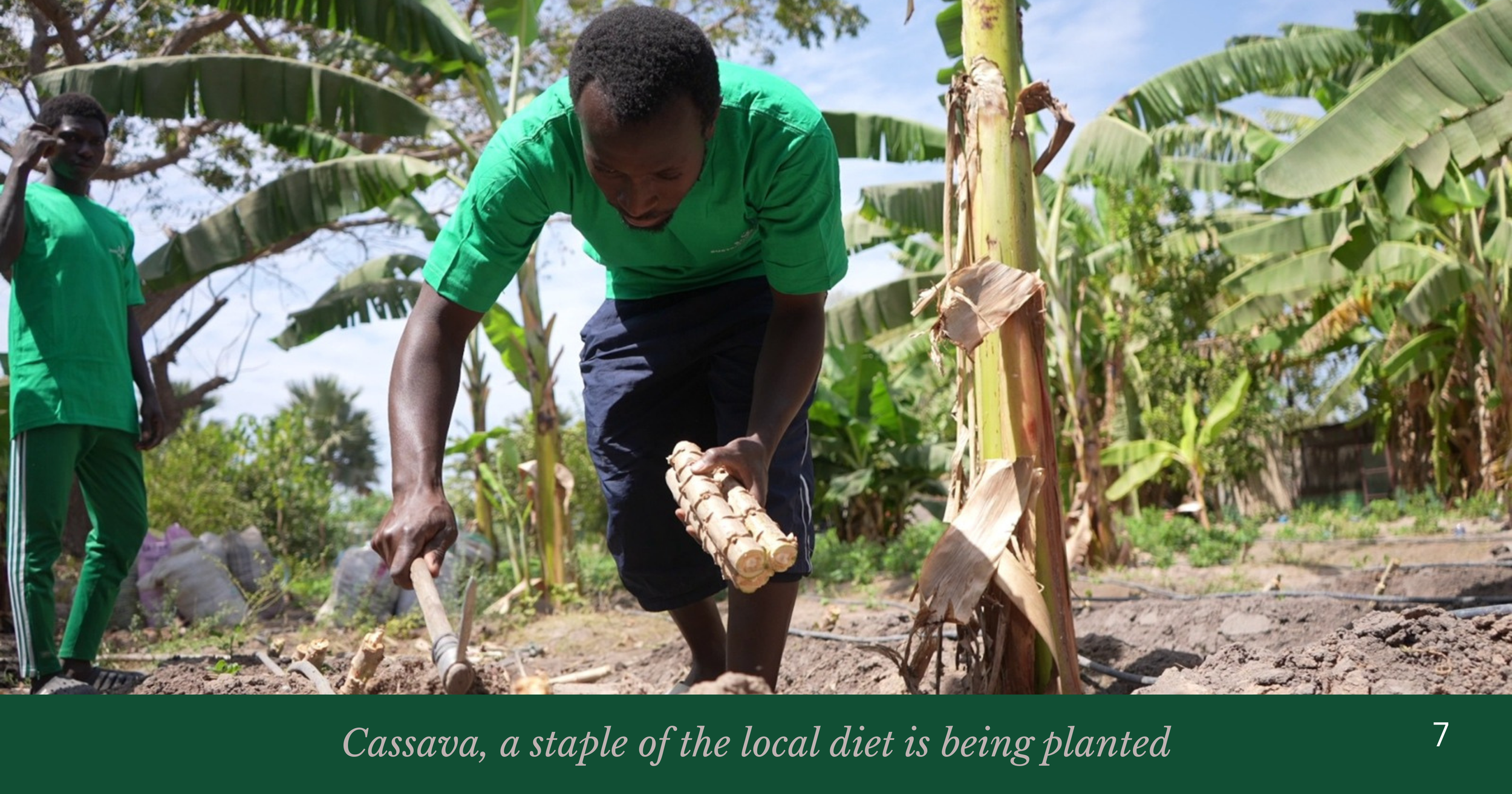
Alongside rice, other staple crops such as cassava, corn, millet, groundnuts, and black-eyed beans are also part of the broader agricultural ecosystem. These crops support food diversity and contribute to a more resilient local food system.
This integrated approach allows humanitarian food assistance to simultaneously strengthen domestic agriculture, provide vocational training, and support long-term sustainability.
When rice is imported, it arrives as relief. When rice is produced locally, it strengthens ownership. This is the heart of the Rice Initiative: not only feeding families today, but building systems that sustain communities for generations.
Donate to help us secure locally produced rice for humanitarian distribution.