

Mansoa
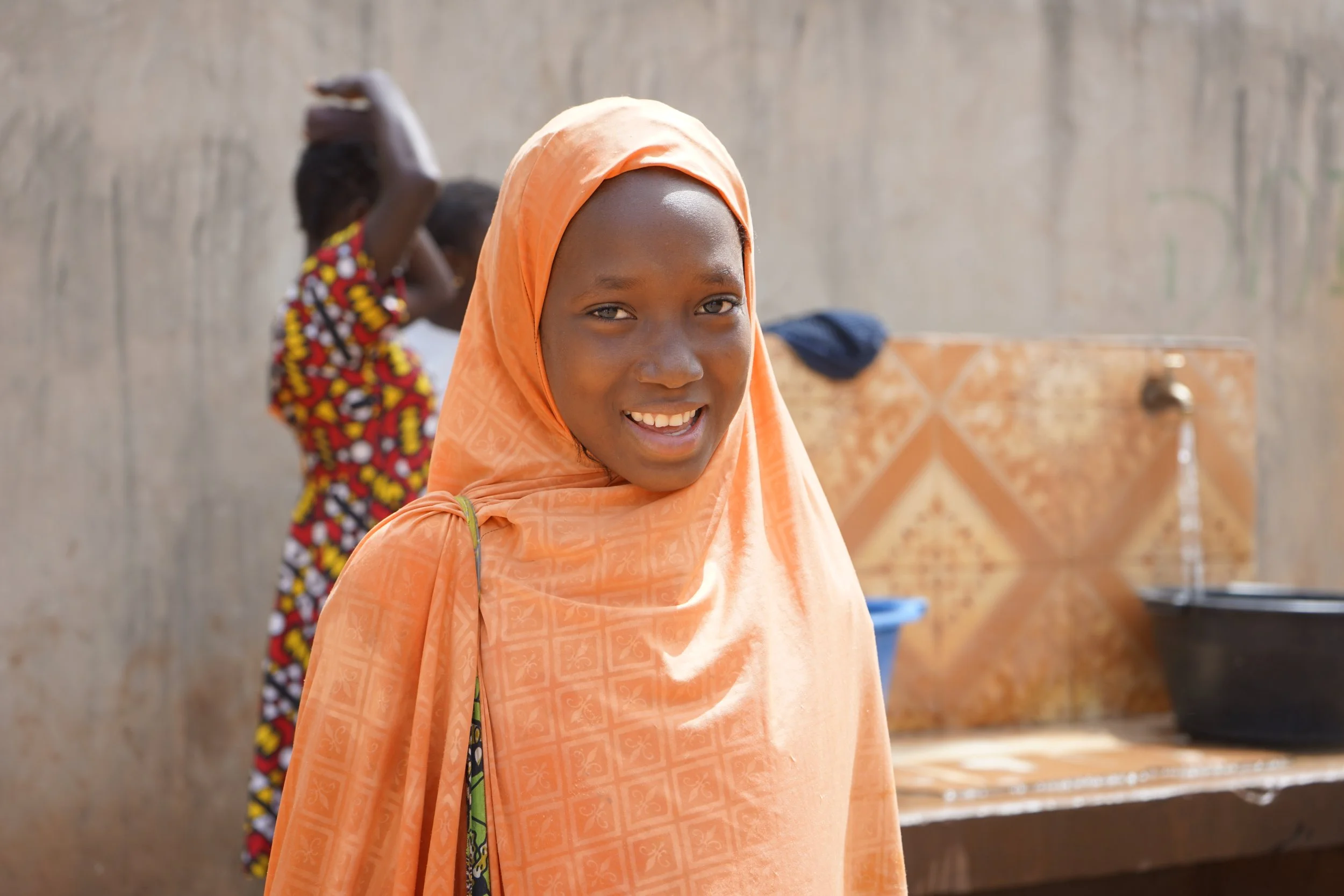
Mansoa, a village of approximately 8,000 people, presented one of the most technically challenging water projects undertaken.
Before the system was installed, women were rising at 2:00 a.m. each day to walk miles for water. They waited in long lines, filled heavy buckets, and carried them back home so the village could function. This was not occasional hardship. It was daily reality.
Securing water in Mansoa required persistence. Initial drilling efforts failed due to complex terrain and high iron content in the groundwater. Several boreholes produced insufficient yield or mineral-heavy water unsuitable for household use. Contractors withdrew. Conditions were remote and logistically difficult.
The work continued.
After extensive testing and multiple drilling attempts, two boreholes were successfully drilled. Water samples were analyzed to ensure quality. At the end of the dry season, the two wells produced a combined 10,000 liters of clean water per hour. This confirmed sustainability throughout the year.
A water tower was constructed to create storage capacity and pressure. Solar pumps were installed to provide reliable and energy-efficient operation. Water taps were built and distributed strategically throughout the village.
The system is now fully operational.
Mansoa’s project reflects more than technical success. It demonstrates that real infrastructure work in rural regions demands patience, local expertise, and long-term commitment. Today, thousands of residents benefit from consistent water access. The daily 2:00 a.m. journeys are no longer required.